Foraging for… insects?!

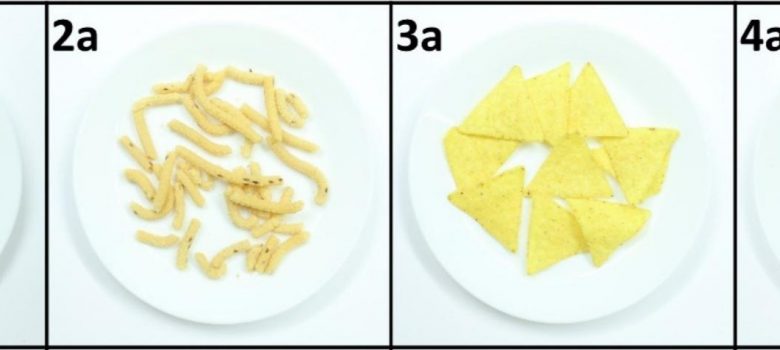
IMAGE showing four example plates from the buffet.

People generally avoid disgusting things, but what if you’re deciding whether to eat them? At an experimental buffet, people spent more time looking at edible insects and other unusual snacks. However, they only rated the insects as more disgusting. This suggests that novelty drives looking behaviour when we’re foraging, and can even overrule the tendency to look away from disgust elicitors.

Continue reading

Sex and/or gender in academic writing

Many people confuse the terms for sex (“male”, “female”, “intersex”, etc.) and the terms for gender (“man”, “woman”, “non-binary”, etc.), even though sex and gender are different constructs. This sounds like a pedantic point, but it leads to imprecise writing and theorising: Is the nature of your proposed mechanism biological, social, or both?

Continue reading

Tom speaks at the 1st Dutch Pupillometry Symposium

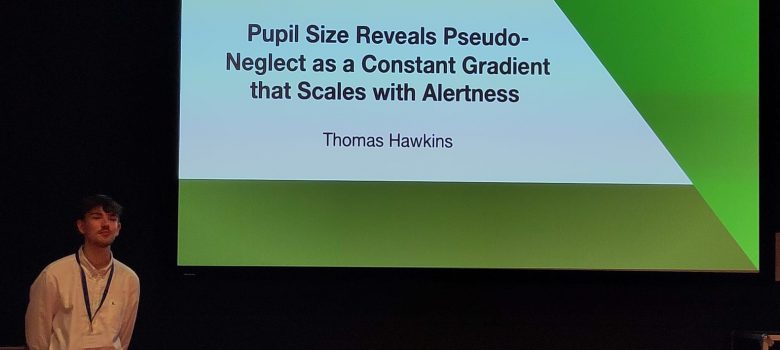
Thomas Hawkins presenting at the Dutch Pupillometry Symposium

Tom Hawkins gave a talk at the 1st Dutch Pupillometry Symposium. He presented a computational model of pseudo-neglect as an attentional gradient over the horizontal plane that fades out over time. It managed to capture individual differences in spatial bias, and when and how fast participants’ alertness faded during a task.

Continue reading

How to email your lecturer / professor

This is a quick guide for students who are unsure about how to email at uni. (Or you might have been sent this guide by your prof, in which case this guide is definitely for you too!) Because email isn’t quite like writing a letter, but also not quite like texting, there is considerable confusion about etiquette. Also, many academics have unspoken expectations! The tips in this guide should help you get as quick and as helpful a reply as possible.

Continue reading